The Korean Skincare Routine Order Explained: What Goes on Your Face and When
If you’ve ever looked at a Korean skincare routine and felt overwhelmed by the sheer number of steps, you’re not alone. The famous multi-step K-beauty routine can seem complicated at first, but the underlying logic is surprisingly simple: thin to thick, water-based to oil-based, treatment before protection. Once you understand the why behind the order, you can confidently build a sequence that works for your skin—whether that’s three steps or ten.
Why Order Matters in Skincare Layering
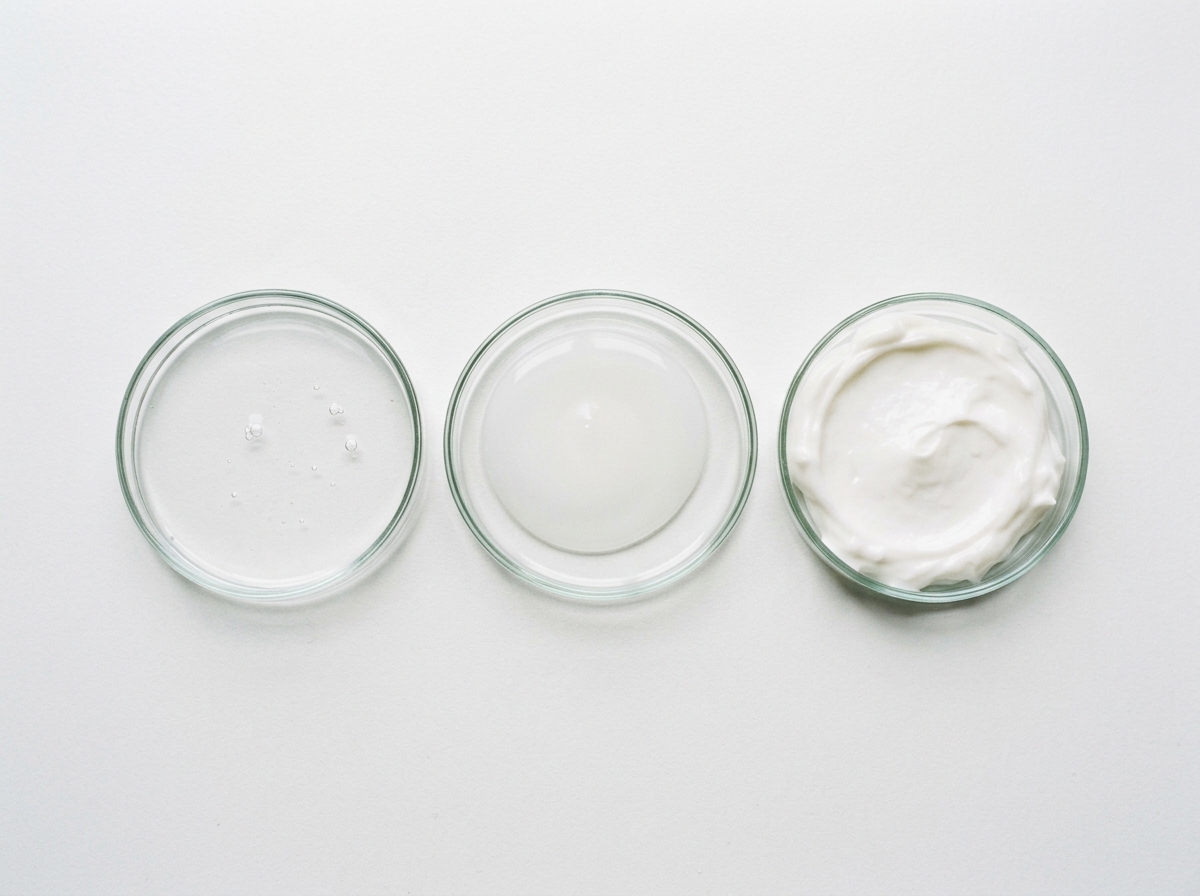
The golden rule in Korean skincare layering is to apply products in order of texture and molecular weight, from the thinnest, most water-like consistency to the thickest, most occlusive formulas.
This sequence ensures that lightweight active ingredients can penetrate the skin before heavier creams and oils create a barrier on the surface. If you apply a thick occlusive cream first, the watery serum you pat on afterward will struggle to absorb—it’ll just sit on top doing very little.
Korean routines also distinguish carefully between cleansing (removing impurities), treating (delivering active ingredients), and protecting (sealing in hydration and shielding from environmental damage). Each phase builds on the last.
The Full Korean Skincare Routine Order (Morning and Night)
Here’s the complete sequence, broken down step by step. Not everyone uses every step—think of this as the full menu, not a mandatory prescription.
Oil-Based Cleanser (PM Only)
The first step at night is an oil-based cleanser or cleansing balm. Oil dissolves oil, so this step breaks down sunscreen, makeup, and sebum that water alone can’t remove.
Massage the oil cleanser onto dry skin for 30–60 seconds, then emulsify with a splash of water before rinsing. This is the first half of the famous double cleanse.
Water-Based Cleanser (AM & PM)
Next comes a water-based cleanser—typically a low-pH gel or foam. This removes sweat, dirt, and any remaining residue from your oil cleanser.
In the morning, many people skip the oil cleanser entirely and start here, using only a gentle water-based wash to refresh the skin without stripping overnight moisture.
Exfoliator (1–3× per Week, PM)
Chemical exfoliants—AHA, BHA, or PHA—go on after cleansing if you’re using them that evening. These products work best on clean, bare skin.
Because exfoliating acids can increase sensitivity, most people use them only a few nights per week rather than daily. If you’re using a strong treatment exfoliant, you may skip or simplify the rest of your routine that night to avoid irritation.
Toner / Skin
Korean toner (often called “skin” or “refresher”) is very different from the harsh, alcohol-heavy toners some Western brands used to make. K-beauty toners are hydrating, pH-balancing liquids that prep the skin to absorb the next layers.
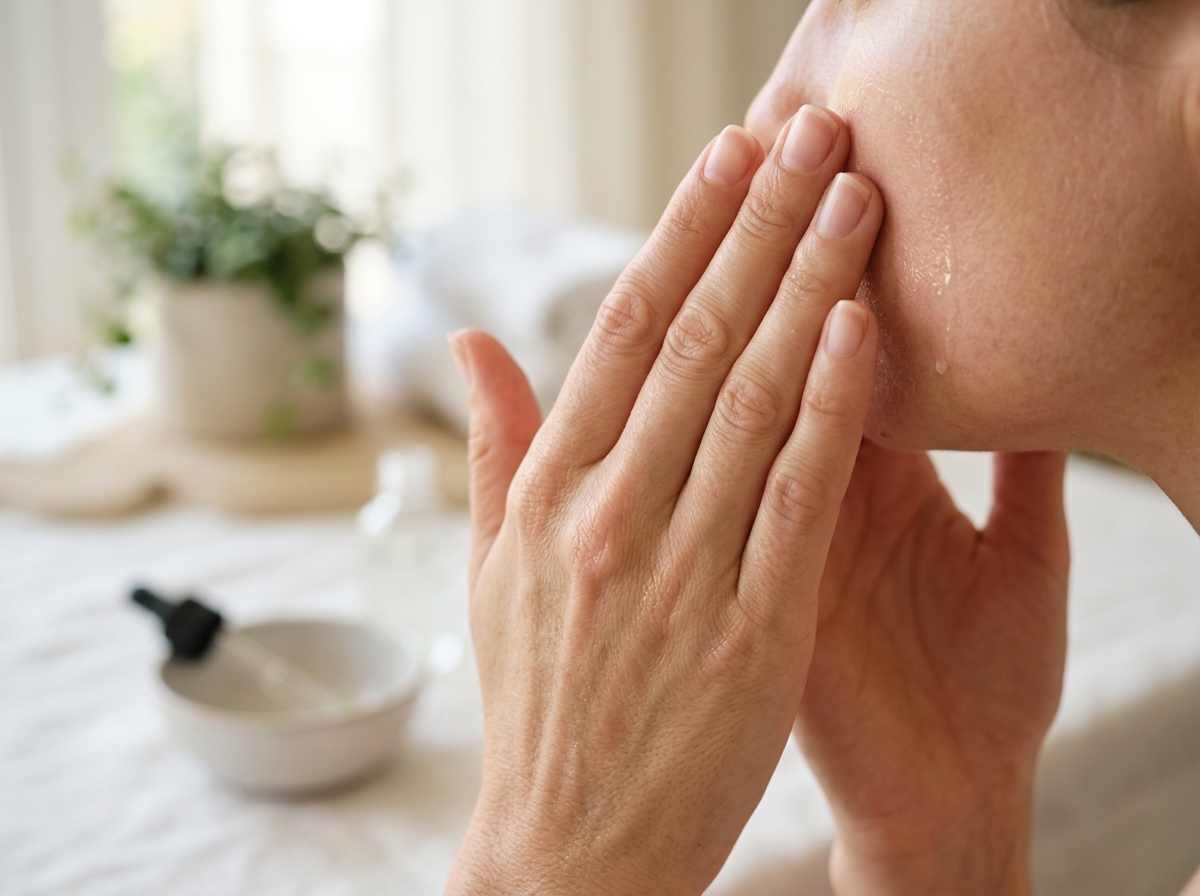
Pat or press the toner into your skin with your hands—no cotton pad needed. This step rehydrates after cleansing and starts the treatment phase.
Treatment Layers: Essence, Serum, and Ampoule
This is where the real customization happens. Essences, serums, and ampoules all deliver concentrated active ingredients, but they differ slightly in texture and potency.
| Product Type | Texture | Purpose |
|---|---|---|
| Essence | Watery, lightweight | Hydration + mild active ingredients (e.g. ferments, niacinamide) |
| Serum | Gel or light lotion | Targeted treatment (brightening, anti-aging, soothing) |
| Ampoule | Thicker, more viscous | High concentration of actives for short-term intensive care |
Apply these in order from thinnest to thickest. If you’re using multiple serums, layer the most watery one first.
A typical treatment sequence might look like: hydrating essence → vitamin C serum → centella ampoule. But you don’t need all three—one well-chosen serum is often enough.
Sheet Mask (Optional, 1–3× per Week)
Sheet masks go on after your treatment layers and before moisturizer. They’re soaked in essence and provide a 15–20 minute boost of hydration or soothing ingredients.
Leave the mask on for the time recommended on the package, then pat in any remaining serum. You don’t need to rinse. Many people use sheet masks as a weekly treat rather than a daily step.
Moisturizer: Lotion, Cream, or Sleeping Mask
Moisturizer seals in all the treatment layers beneath it. In K-beauty, you’ll often see two types:
- Lotion or emulsion: a lightweight, milky moisturizer, great for oily or combination skin or for daytime layering.
- Cream: richer and more occlusive, ideal for dry skin or nighttime.
At night, some routines add a final sleeping mask or sleeping pack—a thicker, often gel-cream hybrid designed to lock in moisture while you sleep. This is optional and typically used 2–3 times per week, not every night.
💡 Tip: If your skin feels sticky or heavy after moisturizer, you may be using too much product or a formula that’s too rich for your skin type. Less is often more—especially in humid climates.
Eye Cream (Optional, AM & PM)
Eye cream can be applied before or after your face moisturizer—opinions vary. The key is to use a product specifically formulated for the delicate eye area if you have concerns like puffiness, dark circles, or fine lines.
Gently pat (never rub) a rice-grain-sized amount around the orbital bone. You don’t need a separate eye cream if your regular moisturizer works well for you and doesn’t irritate your eyes.
Sunscreen (AM Only)
The final and non-negotiable morning step is sunscreen. In K-beauty, sunscreen is considered skincare, not makeup, and it’s the single most effective anti-aging and skin-protecting product you can use.
Apply sunscreen as the last step of your skincare routine, after moisturizer and before makeup. Korean sunscreens are famous for their lightweight, non-greasy textures—many feel more like a hydrating primer than the thick, white creams of the past.
Wait a few minutes after applying sunscreen before moving on to makeup to let it set properly.
How to Adapt the Routine for Your Skin
You do not need to use all these steps to benefit from K-beauty principles. The core of any good routine is cleanse, treat, moisturize, protect. Everything else is optional customization.
For beginners, start with:
- Gentle water-based cleanser (add an oil cleanser at night if you wear sunscreen/makeup)
- Hydrating toner
- One serum or essence targeting your main concern
- Moisturizer suited to your skin type
- Sunscreen every morning
From there, add steps one at a time—only if they solve a specific problem or improve how your skin feels. More steps aren’t automatically better.
If you have sensitive or reactive skin, fewer steps and simpler formulas are often the smarter choice. Focus on gentle, fragrance-free products with soothing ingredients like centella, madecassoside, or panthenol, and patch-test anything new on your inner arm or jawline before applying it to your whole face.
Common Mistakes to Avoid
Using too much product is one of the most frequent missteps. Korean skincare emphasizes thin layers and patting motions, not slathering on thick amounts. A few drops of serum or a dime-sized amount of cream is usually enough.
Skipping sunscreen after a full nighttime routine undoes much of your work. UV exposure is the primary cause of premature aging and hyperpigmentation, so sunscreen is the step that protects everything else you’ve invested in.
Layering actives carelessly can lead to irritation. If you’re using multiple strong treatments—like a retinoid, vitamin C, and an exfoliating acid—spread them across different days or times of day rather than stacking them all at once.
A Final Word
This guide covers general skincare layering principles drawn from K-beauty philosophy, not medical advice. Everyone’s skin is different, and what works beautifully for one person may irritate another.
If you have persistent skin concerns, allergies, or reactions, consult a dermatologist. Patch-test new products, introduce one new item at a time, and listen to your skin—if something stings, burns, or causes redness, stop using it.
The beauty of the Korean skincare routine isn’t in following a rigid formula. It’s in understanding the why behind each step so you can build a sequence that feels good, fits your lifestyle, and gives your skin exactly what it needs—no more, no less.